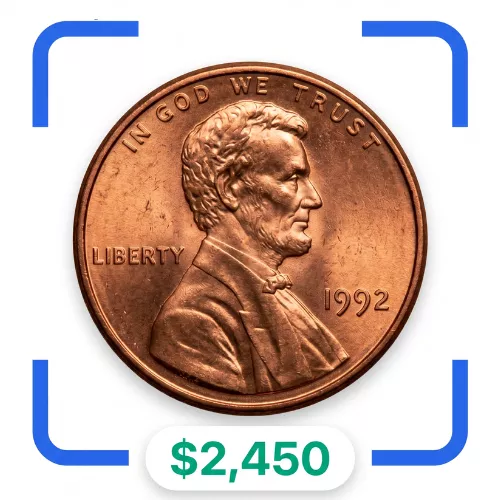
What Makes a Penny Rare
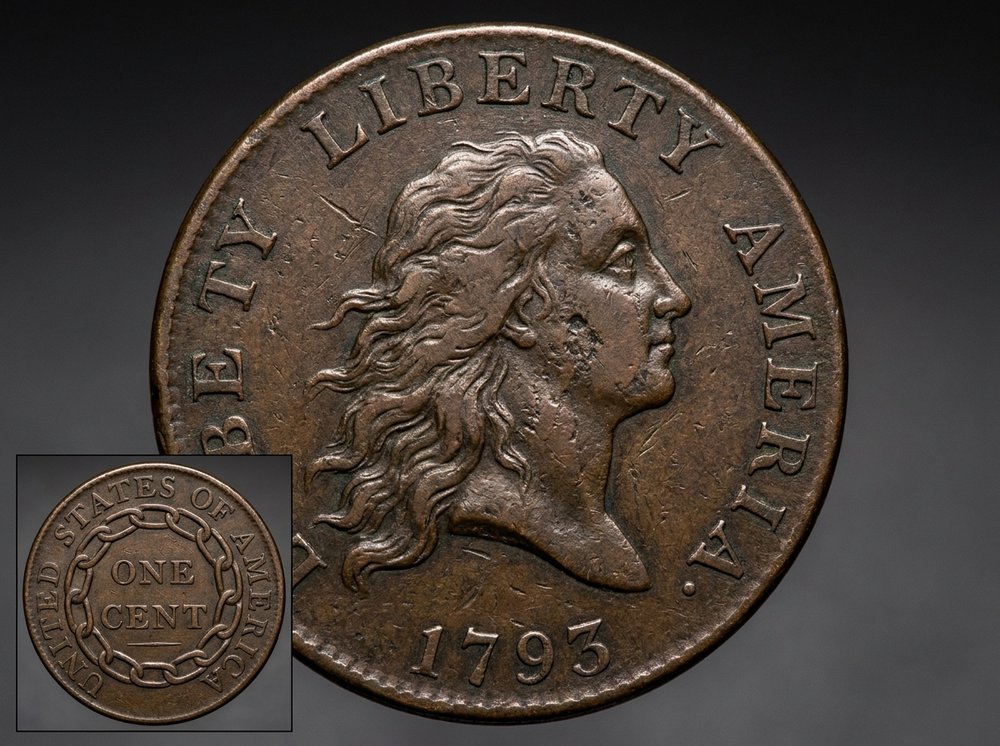
Cents have been struck in this country since 1793, longer than any other US denomination, and that long run is exactly why the list below jumps between colonial-era coppers, Indian Head cents, and modern Lincoln doubled dies. A penny gets expensive for one of a few reasons: it was minted in tiny numbers to begin with, a die error slipped past inspectors, or the wrong metal ended up in the press. All three show up repeatedly in this catalog.
Every coin below sold at public auction or through a major grading-verified private sale. Prices reflect the specific example sold, not a blanket value for the date, since condition swings the number by a factor of ten or more within the same variety.
Top 100 Rare Pennies by Auction Price
Filter by series, variety type, or grade, or just search a year. Click any row for the full write-up.
| Rank | Coin | Series | Price |
|---|
I Think I Have One — Now What?
Stop handling it, and don't clean it
Hold old cents by the edges only. Cleaning, polishing, or even a gentle rub with a cloth strips original surface and can cut the value by 90% or more. Set it in a soft holder and leave it alone.
Verify before you pay anyone to grade it
Before spending money on grading fees, run it through a free online coin identifier to get a preliminary read on date, variety, and rough value. Try the free coin value checker for an instant look before you spend a dime on postage.
Submit it to PCGS or NGC
If the preliminary check flags a genuine key date or error, send it to PCGS or NGC for grading and authentication. A certified slab is what serious buyers expect, and it rules out the altered dates and added mint marks common on this list.
Pick the right venue for the value tier
Coins in the $50-$500 range usually do fine on eBay or GreatCollections. Anything climbing past a few thousand dollars belongs at Heritage Auctions or Stack's Bowers Galleries, where the buyer pool for early coppers and Lincoln rarities actually shows up.
Watch for the most-faked varieties
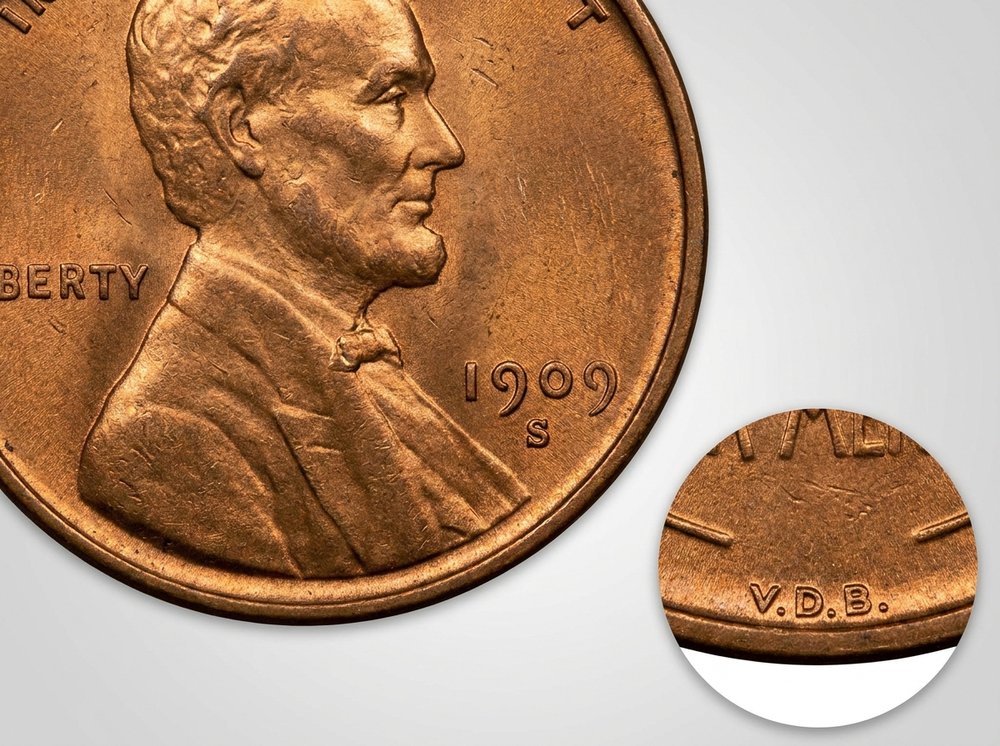
The 1943 bronze cent, 1909-S VDB, and 1955 doubled die are the three most commonly altered or counterfeited pennies in the hobby. Copper-plated steel cents and added "S" mint marks fool beginners constantly, so grading is not optional on these.
How Penny Values Actually Work
Key dates and low mintages
A "key date" simply means the mint struck fewer of that year and mark than usual, so far fewer survive in any grade. The 1909-S VDB (only 484,000 struck before the designer's initials were removed), 1914-D, and 1877 Indian Head are the textbook examples on this list. For a full walkthrough of how mintage numbers translate into dollar value, see this complete guide to rare penny values.
Doubled dies and die varieties
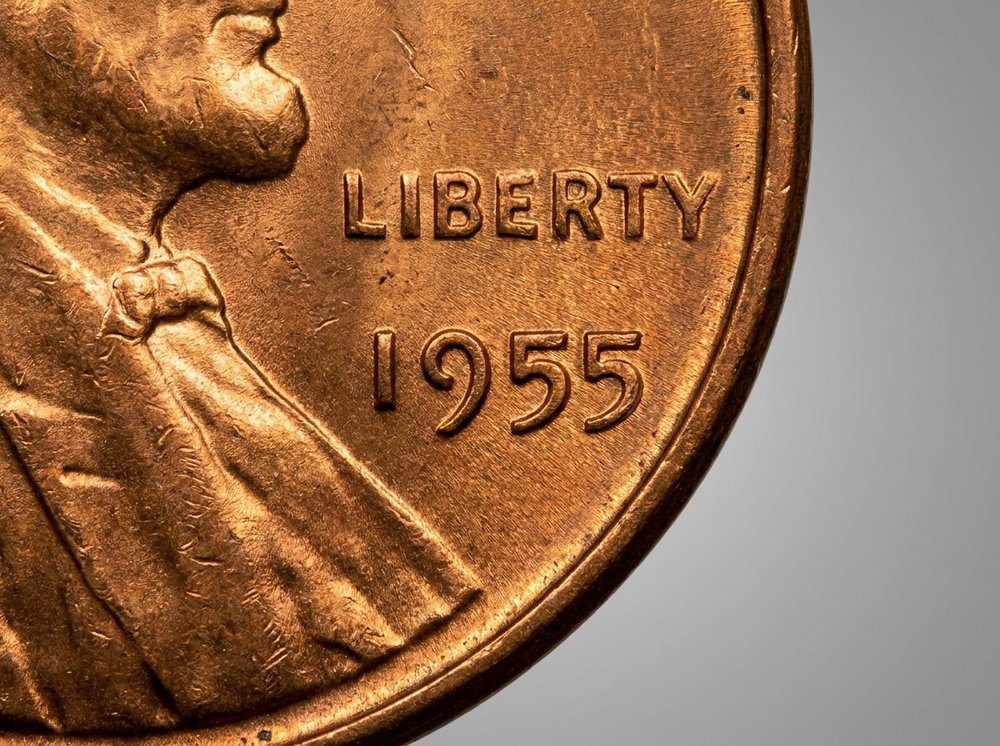
A doubled die happens when the hub that presses the design into a working die shifts slightly between impressions, leaving two overlapping images baked into every coin struck from that die. The 1955 and 1969-S doubled die obverse cents show this clearly on the date and lettering without magnification, which is exactly why they command five and six figures.
Wrong-planchet errors: 1943 bronze and 1944 steel
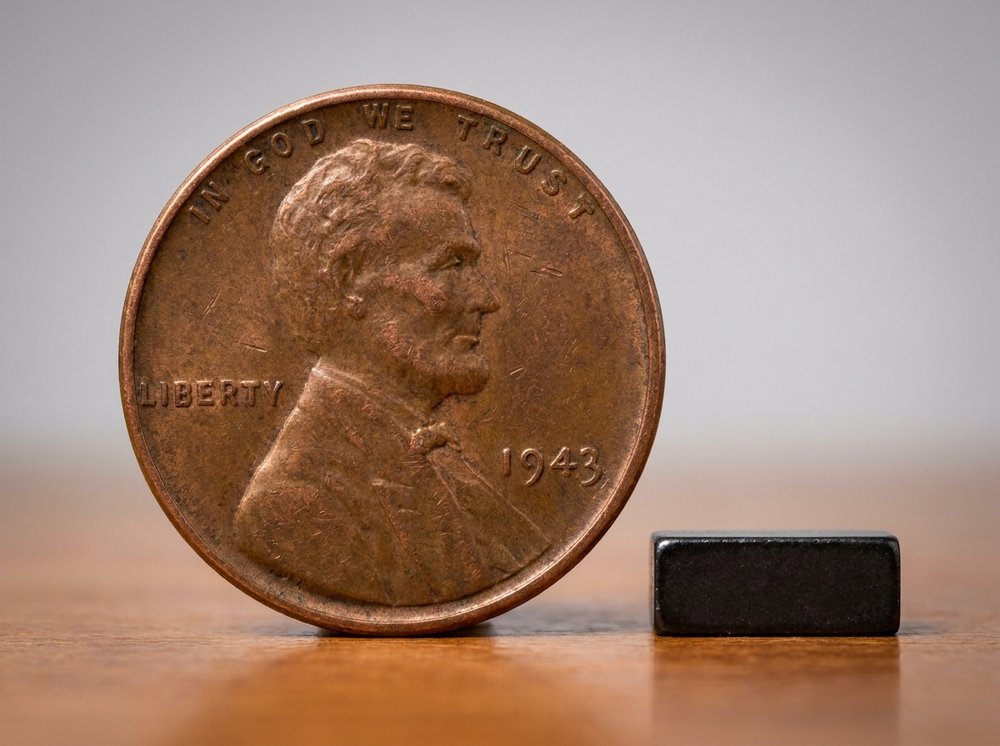
During World War II the Mint switched cents to zinc-coated steel to save copper for shell casings. A small number of leftover bronze planchets from 1942 got struck anyway in 1943, and the reverse happened the next year when leftover steel blanks slipped into the 1944 bronze run. Both errors are non-magnetic (1943 bronze) or magnetic (1944 steel) depending on which way the mistake went, which is the fastest home test.
Condition and color grading
On copper coins, color is graded alongside sharpness: RD (full original red) brings the biggest premium, RB (red-brown) sits in the middle, and BN (brown) is worth the least for the same date. Deep Cameo (DCAM) proofs, with frosted devices against mirror fields, top the proof market. A single grade point on a key date can swing the price by thousands.
Frequently Asked Questions
About This Guide
This catalog is maintained by Russell Kimble, a cent collector based in Portland, Oregon who has specialized in large cents and early Lincoln varieties for over 25 years. He's a longtime member of the American Numismatic Association and has tracked auction results across major houses since the early 2000s.
Prices here come from publicly reported hammer prices at Heritage Auctions, Stack's Bowers Galleries, Legend Rare Coin Auctions, and GreatCollections, cross-checked against PCGS and NGC population and price archives. This site is independently run and not affiliated with any grading service or auction house.
Page last reviewed and updated: August 12, 2026